Comprehensive Driving Lessons: copyright for Our Professional Driving Course Now!
Step-by-step driving lessons offer a comprehensive approach to learning how to operate a vehicle. Signing up for a professionally guided course can considerably improve a beginner's competence and assurance. The program is meticulously planned to address fundamental and complex driving methods, accommodating different skill levels. Knowing what these courses involve Driving School can make all the difference. There are several key components that support successful skill development and test readiness.
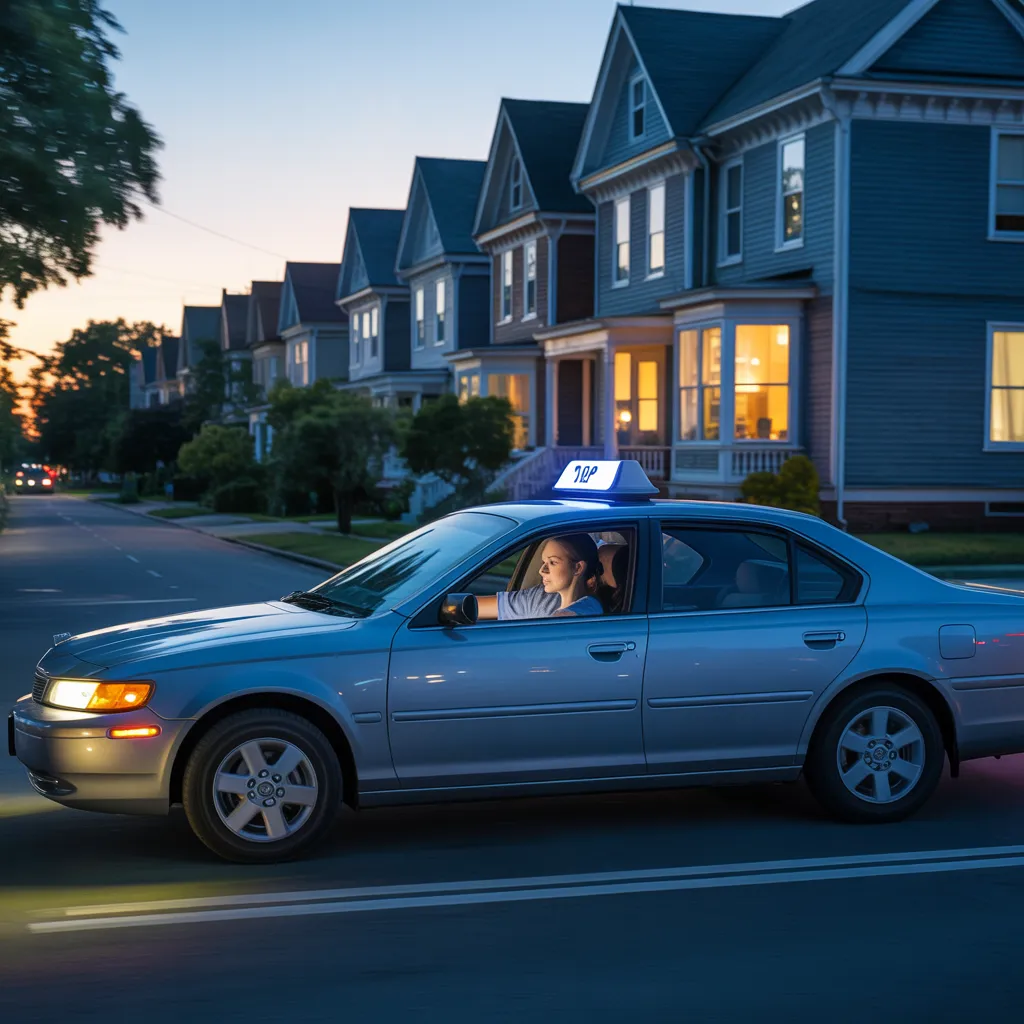
What Happens During Your First Driving Class
Once a student begins their first driving course, they may feel a mix of excitement and anxiety. The learning setting, usually shared with fellow participants, sets the stage for a transformative experience. Instructors typically open with introductions, outlining the curriculum layout and safety protocols. Students can anticipate receiving instructional materials, including guides and reference sheets, which will act as helpful resources throughout their course of study.
The initial focus is primarily on learning about car controls, basic road signs, and essential traffic rules. Instructors frequently stress the significance of staying calm at the wheel. Students are encouraged to ask questions, building an encouraging educational setting. After the theoretical portion, numerous courses feature hands-on practice, where students become familiar with the car in a safe environment. This combination of theory and practice prepares students for the journey ahead, building self-assurance as they begin their journey toward becoming responsible and capable drivers.
Driving Curriculum: Basics to Advanced
A thorough driver training program covers a progression from essential techniques to advanced techniques, guaranteeing that students acquire a firm grounding before handling more challenging traffic conditions. Initially, participants work on essential vehicle control, including directional control, braking, and vehicle acceleration. They learn essential traffic regulations, road markings, and safe road behaviors, delivering a thorough understanding of the road rules.
When students exhibit capability in these foundational areas, the program progresses to greater levels of skill. This covers traversing various terrains, dealing with difficult weather circumstances, and developing strong defensive driving skills. In addition, participants are exposed to high-speed roadways and complicated intersections, developing their skill to act decisively in challenging circumstances.
Throughout the curriculum, educators emphasize the importance of environmental awareness and safe driving practices. This systematic framework enables students not only to succeed in their driving examinations but also to emerge as capable and self-assured drivers in a range of driving situations.
Building Confidence as a New Driver
Beginner drivers frequently encounter difficulties when it comes to building confidence on the road. The initial experience of driving can be overwhelming, with numerous tasks to manage and a constant need for focus. To alleviate anxiety, new drivers can benefit from practical, gradual exposure to various driving situations. Starting in low-traffic areas allows them to develop basic skills without the pressure of more complex environments.
Consistent practice is crucial; dedicating more hours to driving allows them to develop greater familiarity and comfort with their vehicle and surroundings. Furthermore, signing up for instructor-led driving courses provides organized learning and expert direction, building a feeling of confidence. Positive reinforcement from instructors and supportive peers can also enhance a new driver's self-esteem. With practice and improvement, beginner drivers will notice their confidence building, converting driving from a difficult undertaking into a more pleasurable and empowering journey.
Preparing for Your Driving Test
What is the best way for a new driver to prepare for their driving test? Preparation is essential for success. To begin with, getting acquainted with the vehicle is crucial. New drivers should make certain they know how to operate all controls, including lights, wipers, and signals. Next, practicing maneuvers such as parallel parking, three-point turns, and lane changes will enhance their skill set.
Moreover, going over the local traffic laws and rules can offer useful information into what to expect from the examiner. Setting up a practice run with a skilled instructor can simulate the actual test environment, assisting in calming pre-test nerves.
Finally, ensuring all necessary documents are in order, such as the provisional permit and identification, is vital. By adhering to these guidelines, new drivers can tackle their driving test with self-assurance, increasing their probability of clearing the test on their first go.
Typical Questions About Driving Lessons
What should new drivers be aware of before commencing their lessons? Numerous people share similar questions about the driving lesson process. First, they often wonder about the age requirements; most regions mandate that students be at least 16 years old to obtain a learner's permit. Another widely asked question involves the duration of each lesson; generally, each lesson runs approximately one to two hours, based on the student's abilities and requirements.
Future drivers commonly inquire about the fees involved in driver training sessions. Prices can vary widely based on geographic location and teacher qualifications. Additionally, many wonder if they need to bring their own vehicle; nearly all driving schools offer cars outfitted with dual controls for the safety of students.
Lastly, pupils often inquire about the training program. Comprehensive classes typically include essential driving skills, traffic laws, and safe driving practices, making sure students are fully equipped for their driving exam as well as everyday driving scenarios.
What Makes Expert-Led Driving Lessons a Great Choice?
Why opt for professional driving lessons rather than casual instruction? The response can be found in the quality and efficiency of the instruction delivered. Expert instructors possess extensive knowledge of driving techniques, traffic laws, and safety protocols, ensuring that learners receive thorough education. They utilize a well-organized curriculum that develops abilities step by step, allowing students to better understand challenging concepts.
Furthermore, instructor-guided sessions commonly feature real-life circumstances, empowering drivers to handle various driving conditions with competence. Instructors can provide individualized critiques and improvements, which are tremendously beneficial for establishing sound driving skills. Additionally, their expertise permits them to customize instruction to specific learning needs, improving skill mastery and information retention.
Furthermore, expert instructors typically stay updated with the latest regulations and advancements in driving education, making sure their lessons incorporate modern best practices. This professionalism makes expert-led driving lessons a superior choice for individuals aiming to develop strong driving abilities.

Questions Our Customers Often Ask
At What Age Can I Begin Taking Driving Lessons?
Commonly, students can begin taking driving lessons at the age of 16, while some locations allow learners to begin as early as 15. It's crucial to check area-specific guidelines regarding minimum age criteria for driver education.
Is It Possible to Book Driving Lessons on Weekends?
Driving lessons are often available on weekends, meeting the needs of different timetables. Numerous driving schools acknowledge the need for weekend availability, giving students the freedom to study without interfering with their weekday obligations.
Am I Able to Use My Personal Car for Lessons?
Students are often permitted to bring their personal vehicles for driving instruction, so long as the vehicle fulfills safety criteria and is in proper working order. Instructors frequently support this practice to ensure confidence and ease during the learning process.
What Happens if I Miss a Class?
If a student misses a class, they could be required to make up the lesson or set a new time. Attendance requirements differ, so it's advisable for the student to check with the instructor concerning any applicable penalties or alternatives.
Do You Provide Tuition for Automatic and Manual Vehicles?
Yes, the program offers instruction for both manual and automatic cars. Individuals can select their ideal transmission type, ensuring they are provided with customized instruction that addresses their individual driving preferences and needs for skill development.