Step-by-Step Driving Lessons: copyright for Our Professional Driving Course Now!
Structured driving lessons present a structured approach to learning how to operate a vehicle. Enrolling in an expert-led class can considerably enhance a student's abilities and self-assurance. The program is meticulously planned to cover both basic and advanced techniques, suiting learners of all backgrounds. Understanding what to expect in these classes can make all the difference. There are a number of important elements that foster productive learning and exam preparation.
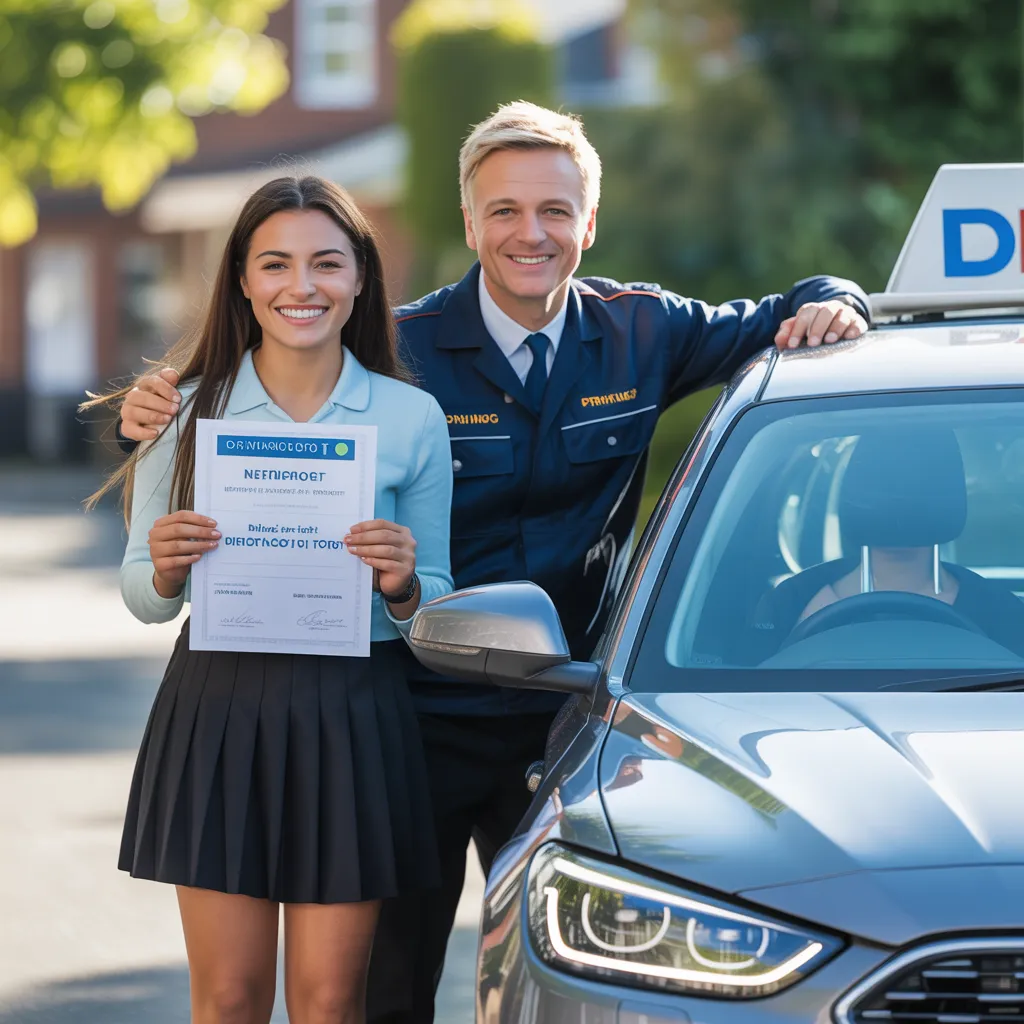
What Happens During Your First Driving Class
As soon as a student enters their initial driving class, they may experience a mix of enthusiasm and apprehension. The instructional space, often filled with fellow learners, sets the stage for a significant experience. Teachers typically open with introductions, detailing the course structure and safety procedures. Students can expect to receive learning resources, including manuals and handouts, which will function as valuable references throughout their training.
The main concentration is primarily on understanding vehicle controls, fundamental road signs, and key traffic regulations. Instructors frequently stress the importance of keeping a composed attitude at the wheel. Pupils are prompted to ask queries, fostering a supportive learning atmosphere. Once the theoretical component is complete, most sessions incorporate real-world practice, where learners get acquainted with the automobile in a supervised environment. This combination of theory and practice prepares students for the journey ahead, fostering self-confidence as they set out on the path to becoming responsible and capable drivers.
Driving Program: Essentials to Advanced
A thorough driver education program includes a progression from essential skills to higher-level skills, so that new drivers develop a strong grounding before tackling more advanced driving scenarios. In the beginning, learners practice fundamental car handling, including directional control, brake control, and acceleration. Learners are taught key traffic regulations, road markings, and defensive driving techniques, delivering a comprehensive knowledge of the highway code.
When students exhibit mastery of these core concepts, the training evolves to greater levels of skill. This includes traversing various terrains, navigating harsh weather scenarios, and mastering defensive driving techniques. Additionally, learners are introduced to high-speed roadways and complicated intersections, strengthening their capability to think swiftly when faced with difficult conditions.
Across the course, teachers stress the importance of awareness of surroundings and accountable driving conduct. This organized methodology equips students not only to succeed in their driving examinations but also to emerge as capable and self-assured drivers in a range of driving situations.
Building Confidence as a New Driver
Beginner drivers frequently encounter difficulties when it comes to building confidence on the road. The initial experience of driving can be overwhelming, with numerous tasks to manage and a constant need for focus. In order to ease nervousness, novice drivers may find value in a measured, step-by-step introduction to a range of driving conditions. Beginning in quieter, less congested areas enables them to build fundamental abilities without the demands of more challenging settings.
Practicing regularly is vital; dedicating more hours to driving allows them to develop greater familiarity and comfort with their vehicle and surroundings. Additionally, enrolling in expert-led driving classes offers structured learning and professional guidance, fostering a sense of security. Encouragement from qualified instructors and encouraging fellow learners can further boost a beginner driver's confidence. With practice and improvement, beginner drivers will notice their confidence building, converting driving from a difficult undertaking into a more pleasurable and empowering journey.
Getting Ready for Your Driving Test
What is the best way for a new driver to prepare for their driving test? Proper preparation plays a vital role in achieving success. To begin with, getting acquainted with the vehicle is crucial. New drivers should make certain they know how to operate all controls, including lights, wipers, and signals. Additionally, rehearsing techniques like parallel parking, three-point turns, and lane changes will improve their abilities.
Furthermore, going over the local driving laws and regulations can provide valuable insight into the examiner's expectations. Scheduling a mock test with a skilled instructor can replicate the real test conditions, thereby lowering test anxiety.
Lastly, verifying all necessary documents are in order, such as the learner's license and proof of identity, is critical. By implementing these measures, new drivers can approach their driving test with self-assurance, boosting their probability of succeeding on the initial try.
Typical Questions About Driving Lessons
What should new drivers be aware of before commencing their lessons? A great number of individuals have frequent inquiries concerning the driving lesson process. First, they often wonder about the age requirements; most regions mandate that students be at least 16 years old to obtain a learner's permit. Another widely asked question involves the duration of each lesson; as a rule, each session is around one to two hours long, varying according to the student's skills and individual needs.
Potential driving students regularly seek information regarding the costs associated with their lessons. Fees can range broadly based on location and instructor experience. Additionally, many wonder if they need to bring their own vehicle; nearly all driving schools offer cars Driving Lesson equipped with dual controls for safety.
Finally, pupils commonly question the training program. Complete sessions generally address essential driving skills, traffic regulations, and safe driving practices, ensuring that learners are well-prepared for both the driving assessment and practical driving experiences.
Why Choosing Expert-Led Driving Lessons Is a Smart Decision?
Why choose expert-led driving lessons over casual instruction? This comes down to the quality and overall effectiveness of the training offered. Expert instructors possess extensive knowledge of driving techniques, traffic laws, and safety protocols, ensuring that learners receive thorough education. They follow a structured program that enhances skills in a gradual manner, enabling learners to more effectively comprehend difficult driving concepts.
In addition, lessons led by experts often incorporate actual driving conditions, equipping students to deal with a range of road conditions with competence. Driving professionals can provide tailored guidance and adjustments, which are tremendously beneficial for developing safe driving habits. Beyond that, their professional knowledge empowers them to customize instruction to specific learning needs, enhancing knowledge retention and ability development.
Furthermore, professional instructors routinely remain informed about the newest rules and progress in driving instruction, making sure their lessons incorporate modern best practices. This expertise makes professionally delivered driving lessons the ideal selection for individuals aiming to develop strong driving abilities.

Frequently Asked Questions
At What Age Can I Begin Taking Driving Lessons?
In most cases, individuals can commence taking driving lessons at the age of 16, although some regions allow students to begin at 15. It's essential to check regional rules regarding age restrictions for driving lessons.
Are Driving Lessons Available on Weekends?
Driving lessons are often available on weekends, meeting the needs of different timetables. Many driving schools recognize the demand for weekend sessions, providing students with the opportunity to learn at their own pace without clashing with weekday duties or responsibilities.
Am I Able to Use My Personal Car for Lessons?
Students may typically bring their personal vehicles for learning to drive, as long as the car satisfies safety standards and is functioning properly. Instructors commonly recommend this approach to ensure confidence and ease while learning to drive.
What Occurs if I Skip a Class?
In the event that a student misses a class, they may need to reschedule or make up the lesson. Attendance policies vary, so it is recommended that the student speak with their instructor to learn about potential penalties or available arrangements.
Are Lessons Available for Both Automatic and Manual Cars?
Indeed, the course offers instruction for both manual and automatic cars. Students can opt for their ideal transmission type, ensuring they receive personalized instruction that addresses their individual driving preferences and needs for training.